
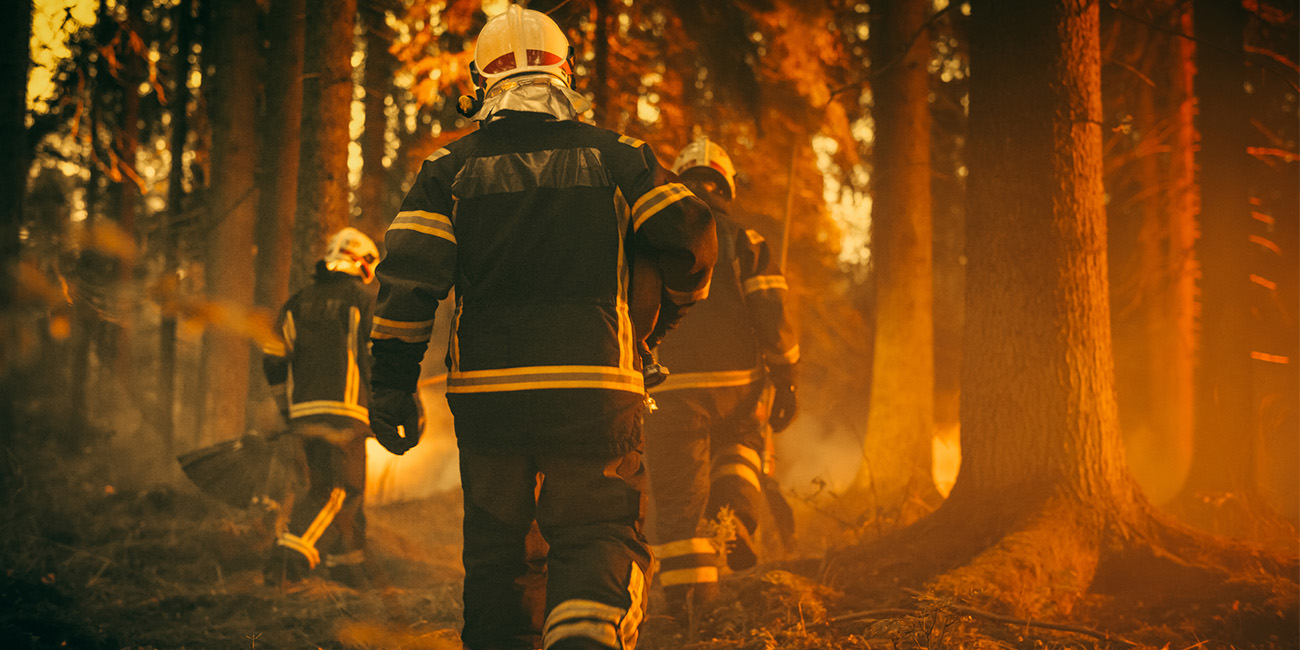
As wildfires affect communities across Colorado, safety and well-being both require attention. The immediate priority is physical safety, but the stress, disruption, and loss a wildfire brings can weigh heavily long after the danger passes.
If you or your family are coping with the emotional impact of a wildfire, our guide Finding Your Footing After Trauma or Disaster offers practical steps for recovery, including how to support children through a difficult time.
Below are trusted Colorado wildfire resources to help with information, preparation, recovery, and mental health support. If resources are not listed for your specific area, visit your city, county, or state website and monitor your local weather and air quality.
FEMA (Federal Emergency Management Agency)
- Phone assistance: 800-621-3362
- FEMA Mobile Products (To search for shelters near you, text SHELTER and your ZIP code to 43362, for example Shelter 12345. You can look up shelters any time through the American Red Cross shelter map or by downloading the FEMA App.)
- Disaster Recovery Center (DRC) Locator
- DisasterAssistance.gov
American Red Cross
- Phone assistance: 800-733-2767
- Red Cross Shelter Map
- Red Cross Mobile Apps
- Contact and Locate Loved Ones
Colorado Wildfire Evacuation & Emergency Resources
- 211 Colorado Wildfire Resources (Evacuation shelters, animal shelters, and other location-specific information)
- 211 Colorado (Dial 2-1-1, or call 844-975-1881 for English and 844-975-1882 for Spanish, for help locating evacuation shelters and other resources for your family)
- Colorado Division of Homeland Security and Emergency Management (DHSEM) (Emergency alerts by county)
- Wildfire Information Resource Center | Colorado Division of Fire Prevention and Control
- InciWeb (Interactive map and updates on active wildfires nationwide, including Colorado)
- AirNow Fire and Smoke Map (Check current air quality where you live)
- Colorado | FEMA
- Colorado Department of Transportation (Traffic and road conditions)
- Colorado Power Outages Map
Wildfire Preparedness & Recovery
- Wildfires | Ready.gov
- Wildfire Safety | American Red Cross
- Wildfires and Your Safety | Centers for Disease Control and Prevention (CDC)
- Wildfire Hazards & Mitigation | National Fire Protection Association
- Wildfire Power Outage Prep Guide | PowerOutage.us
Mental Health & Emotional Support
A wildfire can bring lasting stress, grief, and anxiety, even for those whose homes were spared. These reactions are a normal response to an abnormal event, and support is available.
- Disaster Distress Helpline: Call or text 1-800-985-5990 for free, confidential crisis counseling, available 24/7
- Finding Your Footing After Trauma or Disaster (Recovery steps for you and your family, including guidance for helping children cope)
- Coping with Natural Disasters (Common emotional reactions and healthy ways to cope)
- Resources for Staying Emotionally Healthy in Times of Stress
For any members looking for personalized support through your Assistance Program, visit our member support page or reach out to your Assistance Program directly anytime.
For HR Teams and Employers
Wildfires affect not only individuals but entire workforces. Organizations supporting employees through a wildfire can draw on the following:
- Crisis Response and Trauma Support is built into many AllOne Health Assistance Programs, providing immediate clinical response for urgent mental health needs from clinicians who specialize in trauma and grief. When a critical incident occurs, this support helps people restore a sense of stability and move forward with care.
- AllOne Health Crisis Management Services is an add-on service that helps organizations prepare, respond, and recover, from emergency communication and business continuity to on-the-ground trauma support during and after a disaster.
If you would like to learn more about crisis support for your organization, contact us.
Frequently Asked Questions
Dial 2-1-1 or visit 211 Colorado Wildfire Resources for evacuation shelters, animal shelters, and location-specific information. You can also find open shelters through the American Red Cross shelter map or by texting SHELTER and your ZIP code to 43362.
If your area has a federal disaster declaration, you can apply for FEMA assistance at DisasterAssistance.gov, by calling 800-621-3362, or in person at a Disaster Recovery Center.
Wildfire smoke can affect air quality far from the fire itself. Check current conditions through the CDC’s wildfire safety guidance, and monitor local air quality alerts, especially if you or a family member has a respiratory condition.
Emotional reactions to a wildfire are common and can last well beyond the event. The Disaster Distress Helpline offers free, confidential crisis counseling 24/7 at 1-800-985-5990. AllOne Health members can also access confidential counseling and support through their Assistance Program by visiting the member support page.
Preparation includes creating an evacuation plan, assembling an emergency supply kit, and knowing multiple routes out of your area. Ready.gov and the National Fire Protection Association offer detailed preparedness guidance.