By: Corey Crapella
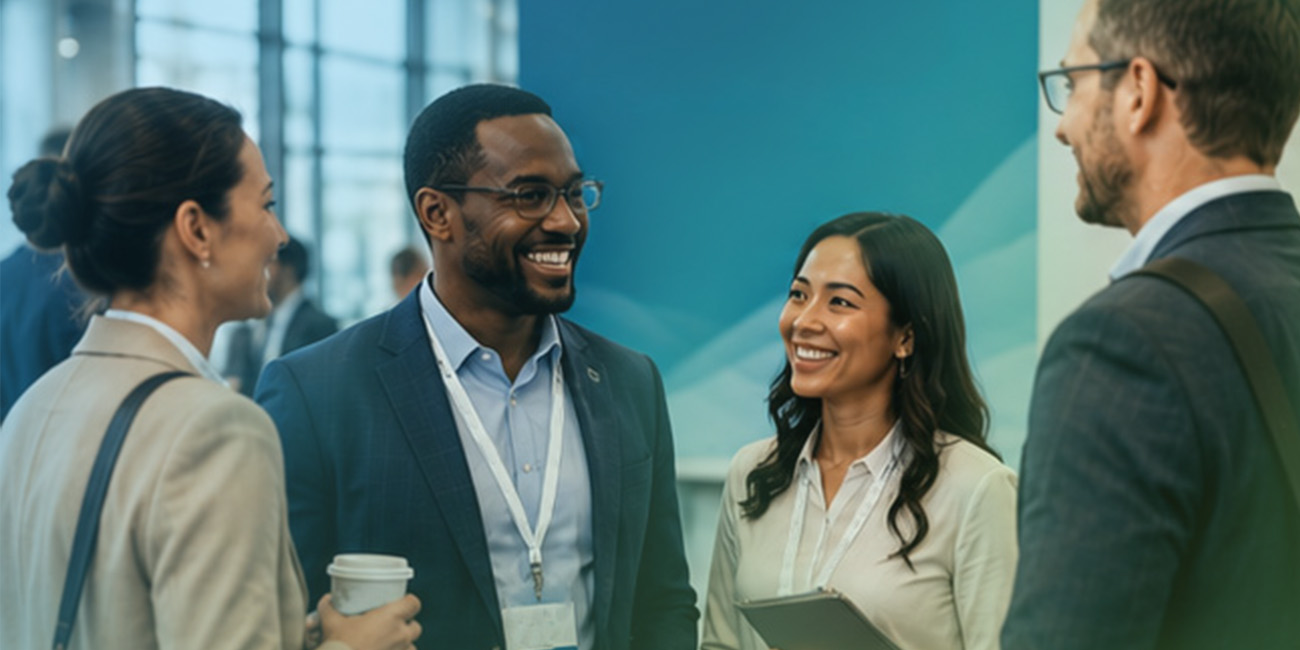
SHRM26 brought nearly 20,000 HR professionals, executives, and leaders to Orlando for four days of impactful conversations and ideas. There were more than 375 sessions this year and keynotes from voices like Oprah Winfrey, Simon Sinek, and John Maxwell.
We turned this year’s biggest themes into five takeaways your team can act on now.
1. Every AI rollout should come with a plan to upskill and support your people.
AI will continue to be an important topic, but the focus is shifting in HR. Organizations are moving past what AI can do, and teams are diving into how to roll it out responsibly, how to upskill their workforce to use it well, and how to do all of that without losing the human element.
2. Keep investing in the fundamentals, strong managers, clear communication, and a culture worth staying for, even as new technology takes up the spotlight.
Many of the issues speakers addressed weren’t new at all. HR has been working through these for years:
- Developing stronger managers
- Improving communication and accountability
- Preventing burnout
- Retaining talent
- Navigating constant change
- Building cultures people actually want to be part of
What’s changing is the context these challenges sit in, not the challenges themselves.
3. Frame wellbeing initiatives in the language leadership already uses, like performance, resilience, and retention, and bring the business case with you.
One shift we noticed: the language around wellbeing is moving away from “wellness programs” and toward outcomes leaders already care about, like performance, resilience, burnout prevention, psychological safety, civility, and even sleep.
Even so, HR leaders told us they’re still being asked to prove ROI on this work, despite the fact that leadership already recognizes these as business issues. The case for wellbeing is being made in business terms now. The expectation to justify it hasn’t caught up.
4. Bring workforce data and insights into business planning conversations early, rather than waiting to be asked.
Workforce planning, change management, people analytics, and organizational effectiveness all had a strong presence on the agenda. Across these sessions, a consistent thread emerged: HR continuing to advocate for itself as a strategic business partner, not just the function that handles paperwork and policy.
5. Equip managers with real tools and training before adding more to their plate, since most are already stretched past what they’re supported to handle.
A lot of what speakers covered echoed conversations we’re already having with clients on the organizational consulting side:
- Organizations are struggling to keep pace with how fast change is happening around them.
- Managers are being asked to do more than ever, often without the training or support to do it well.
- Employees want clarity, trust, transparency, and authentic leadership.
- HR leaders want practical solutions they can put to work right away, not just concepts and frameworks.
- Uncertainty around workforce readiness is growing as AI reshapes jobs and the skills they require.
Bring it back as one strategy, not five separate to-dos
Taken individually, these five takeaways are useful. Taken together, they point to something bigger: none of these challenges live in isolation. The same manager who needs better AI oversight also needs stronger fundamentals. The same wellbeing program leadership wants justified is also the thing driving the retention and performance numbers HR is already being asked to report on. Leadership affects engagement. Mental health affects performance. Culture affects retention. Burnout affects productivity. It’s all connected, and treating these as five separate line items misses the bigger opportunity.
That’s the thinking behind our whole health approach, and it’s exactly what we lead with in our organizational consulting SHRM webinars: when you support the whole person and the whole organization at once, each of these individual efforts works harder.
At AllOne Health, our EAP supports every dimension of wellbeing: mental, emotional, physical, financial, and social. We also help organizations strengthen culture, leadership, and resilience at the organizational level. Our goal is to make care more human, more accessible, and more effective, so people and organizations can grow stronger together. To learn more, visit AllOneHealth.com.