

As the initial crisis management response ends, psychological processing begins. The physical damage from a workplace crisis may be repaired, but the emotional, mental, and social effects often linger. This is why long-term crisis support in the workplace is essential for recovery and providing your team with the much-needed guidance, reassurance, and comfort they need to cope.
Ensuring your employees’ overall well-being with long-term support fosters a positive company culture and a sense of safety that allows them to better process workplace trauma.
What Is a Workplace Crisis?
A workplace crisis can take many forms but typically shares the same characteristics — sudden, unexpected, and often has a significant impact on both the organization and its employees. It can disrupt operations and work, as well as the lives and well-being of your employees.
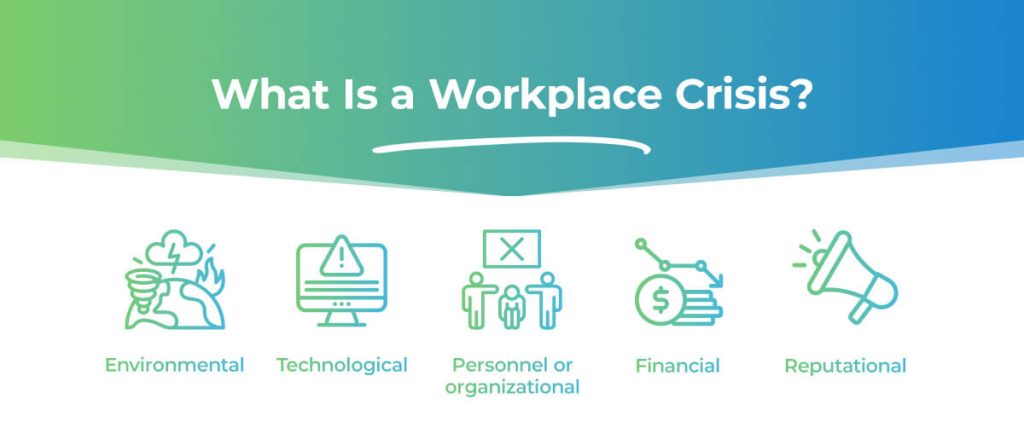
Workplace crises could be:
- Environmental: Natural disasters such as floods, hurricanes, earthquakes, or pandemics may cause a crisis.
- Technological: Circumstances such as data breaches, IT failures, or cyber-attacks affect an organization’s operations.
- Personnel or organizational: Learning of an employee’s passing, experiencing workplace violence or harassment, or being affected by layoffs may cause a ripple effect.
- Financial: The organization experiences a sudden funding shortfall, bankruptcy, or fraud, placing it in financial trouble.
- Reputational: Publicized scandals, damaging media coverage, or reports of misconduct may affect the workplace’s reputation.
To prevent further damage, crisis management in the workplace is crucial to your team’s well-being and resilience. It provides immediate and strategic action to address crises and support those affected with a much-needed human touch.
Why Post-Crisis Workplace Support is Important
Often, the aftermath of a crisis can manifest in employees through various subtle and sometimes hidden symptoms, such as social withdrawal and mental disengagement. It’s essential for managers to recognize delayed trauma responses among employees and provide timely support to help them through this challenging time.
Post-crisis workplace support is more than strengthening resilience. It’s about facilitating emotional and mental healing, restoring stability and trust, and preventing long-term psychological damage.
Workplace trauma recovery is essential for many reasons, including:
- Addressing the immediate and long-term psychological impact of trauma and reducing the risk of developing mental health concerns.
- Providing a safety net for employees by ensuring security and resources to support their recovery.
- Helping employees strengthen their coping skills and their ability to handle future challenges.
- Ensuring employees are not left to navigate the aftermath alone and unsupported.
- Supporting employees’ return to normalcy and fostering their well-being.
Returning to normalcy too quickly can re-traumatize employees and cause further psychological harm. With this in mind, there are specific recovery phases you should follow after a workplace crisis.
The Roadmap to Workplace Crisis Recovery
Workplace crisis recovery takes time, effort, and commitment. It often takes months to overcome the emotional and mental trauma and impact that a crisis caused in such a short period of time. To ensure an efficient and beneficial workplace crisis recovery, these post-crisis phases should be followed, with employees’ health and well-being as the focus.
1 to 3 months: The Immediate Post-Crisis Phase
Directly after a crisis is controlled, your organization enters the immediate post-crisis phase. The aim during this phase is to stabilize employees, establish immediate psychological first aid (PFA) through support and resources, and reduce uncertainty. Transparent and consistent communication from managers is key to ensuring employees are heard and seen during this vulnerable time.
Employees may experience feelings of shock, fear, and numbness. These reactions are normal responses to a crisis and should be treated with empathy and compassion. Since each employee is unique, reactions can vary and need to be addressed appropriately. Tailoring support to each employee’s needs is more personal and meaningful than the standardized and generic approach.
Actionable strategies that your organization’s HR leaders can implement during this phase to provide support and psychological processing include:
- “Pulse checks”: Train managers to identify delayed-onset trauma symptoms and masking.
- Routine flexibility: To help reduce employees’ stress and personal processing, allow flexible work hours or time off.
- Modified workloads: Due to stress and trauma, employees will not perform at their best. Reduce their workload or change their responsibilities while they process and recover.
- Regular check-ins: Frequently check in with employees with one-on-one meetings to assess their recovery and well-being.
3 to 6 months: Intermediate Recovery Phase
Once the initial shock subsides, the intermediate recovery phase begins. This phase of workplace crisis recovery focuses on managing lingering trauma and offering deeper support for employees post-crisis. Continued open communication is essential to reduce ongoing uncertainty and anxiety.
To continue workplace trauma recovery, provide further counselling strategies for your employees through peer support groups. This initiative combats feelings of isolation, encourages employees to connect with co-workers through shared experiences, and fosters a sense of solidarity.
Consider supporting your employees with Mental Health and Employee Assistance Program benefits that provide confidential counselling and whole-health services. This helps employees live well, and organizations grow stronger together. These programs support people in overcoming personal obstacles caused by crises, like stress, grief, and mental trauma.
6 to +12 months: Long-Term Recovery Phase
After facing the crisis aftermath and overcoming its emotional and mental obstacles, the long-term recovery phase aims to help your organization return to normalcy while building a more resilient company culture. This is the time to reflect on lessons learned during this challenging period and return to business stronger than before.
Use this time to evaluate both the physical and psychological crisis reactions and identify ways to refine your organization’s response protocols. Incorporating a crisis management service will help you create a tailored plan to minimize disruption and provide greater support during future crises.
To further promote the well-being of your employees, there are various adaptations you can make to your company culture, such as:
- Embedded wellness initiatives encouraging self-care and mental health.
- Adaptive workplace policies that allow flexible hours and arrangements for ongoing therapy. Make through
- EAP services that make long-term crisis support in the workplace a permanent feature at your organization
At AllOne Health, we know the importance of alignment between strategy, people, and culture. Our whole-health approach also includes organizational consulting services to help you build skills to identify early warning signs of poor mental health in employees.
Long-Term Crisis Support in the Workplace
Long-term crisis support in the workplace is an ongoing initiative. This means fully supporting your employees for who they are. They bring their whole selves to work every day, so supporting them as best you can in both their personal and professional capacities is the right step toward happier staff. Proper long-term support can also help improve retention, productivity, and organizational resilience.
There are various strategies you can implement in your company culture to maintain long-term support for your employees:
- Proactive communication: Reach out to employees directly rather than wait for them to contact you. To show that you care makes an impact.
- Mental health promotion: Provide access to EAPs and promote self-care resources.
- Work flexibility: Adjust deadlines, allow for hybrid work, and provide time off to help employees manage stress and avoid burnout.
- Visible leadership: Ensure organization leaders are present, accessible, and compassionate, providing a source of stability for employees.
Navigate Crisis Management and Support With AllOne Health
Mental health and overall well-being are essential for a productive team. Whether caused by a traumatic crisis in the workplace or from private challenges at home, supporting your employees will help them when it matters most.
At AllOne Health, we’re here to deliver reliable and flexible whole-health solutions to help organizations grow stronger together. We make care more human, accessible, and practical. For more information about our services, fill in our contact form to request a demo or learn more about our options.