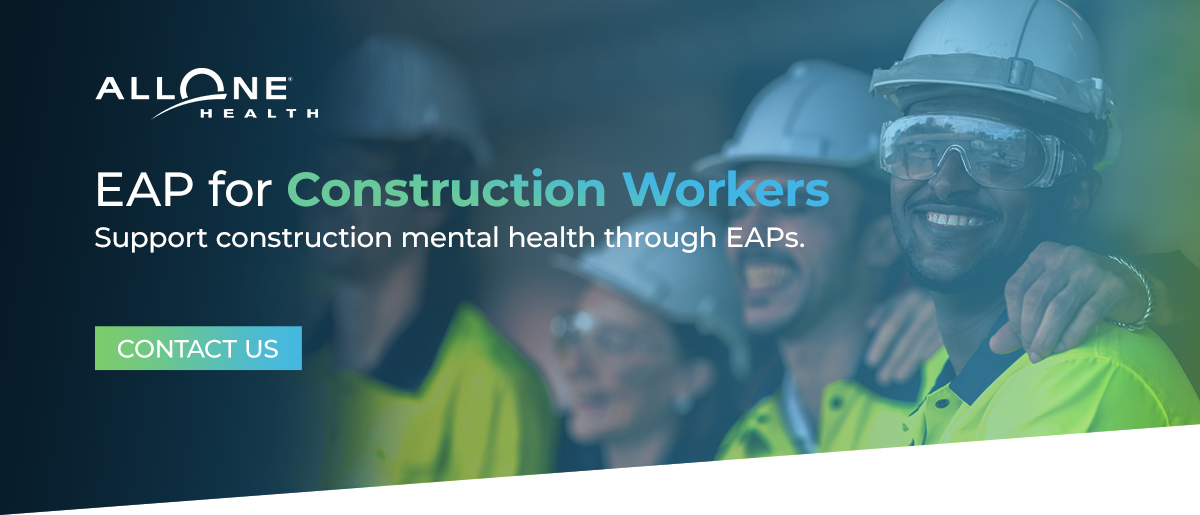

The construction industry is experiencing an increase in poor mental health among workers. Approximately 64% of construction workers have experienced anxiety or depression in the last 12 months. Around 45% feel they are unable to discuss their suicidal thoughts or poor mental health with colleagues, and 35% have turned to prescription medication to cope with mental health.
These numbers are cause for concern, highlighting the need for better support for construction workers. An employee assistance program (EAP) serves as a convenient pathway for workers to access confidential support during times of crisis. Our guide examines why construction workers need an EAP and how to introduce one to your business.
What Is an EAP?
An EAP is a voluntary program that provides emotional and mental well-being support for workers experiencing personal or workplace problems. A construction worker has the option to self-refer to seek help, or managers can refer someone if they believe it will be beneficial. Short-term counseling, legal referrals, assessments, and progress sessions help workers navigate various issues, including depression, stress, grief, and declining mental health.
Reasons to Introduce an EAP for Construction and Field Workers
Due to physically strenuous work, long hours, financial instability, and other everyday pressures on the job, an increasing number of construction workers are dealing with mental health struggles, including anxiety and depression. Introducing an EAP to your construction business is a strong indicator that you value your workers’ mental health.
Common mental health issues construction workers can seek support for include:
- Stigma: Many construction workers feel unable to open up to colleagues in male-dominated environments.
- Chronic fatigue: Early start times, long hours working on-site, and frequent commuting can cause chronic fatigue.
- Risk of accidents: High stress and chronic fatigue can cause workers to lose concentration, potentially leading to serious accidents.
- Isolation: Especially for field workers or contract workers, being unable to build close relationships with colleagues before moving on to the next assignment can stir up feelings of loneliness and isolation over time.
- Depression: Construction workers often experience a low mood and loss of interest in activities they once took pleasure in doing. Depression causes potential suicidal thoughts and poor concentration.
- Emotional stress: Inconsistent work patterns, conditions such as post-traumatic stress disorder (PTSD), and anxiety lead to high levels of emotional stress.
What Are the Features to Look for in an EAP?
The benefits of EAPs can be crucial for construction workers’ mental health and productivity. However, not all programs offer the same services. Before you implement an EAP, spend some time thinking about the services your workers will gain the most from. Here are the inclusive, full-service EAP features to look for in a provider:
Counseling
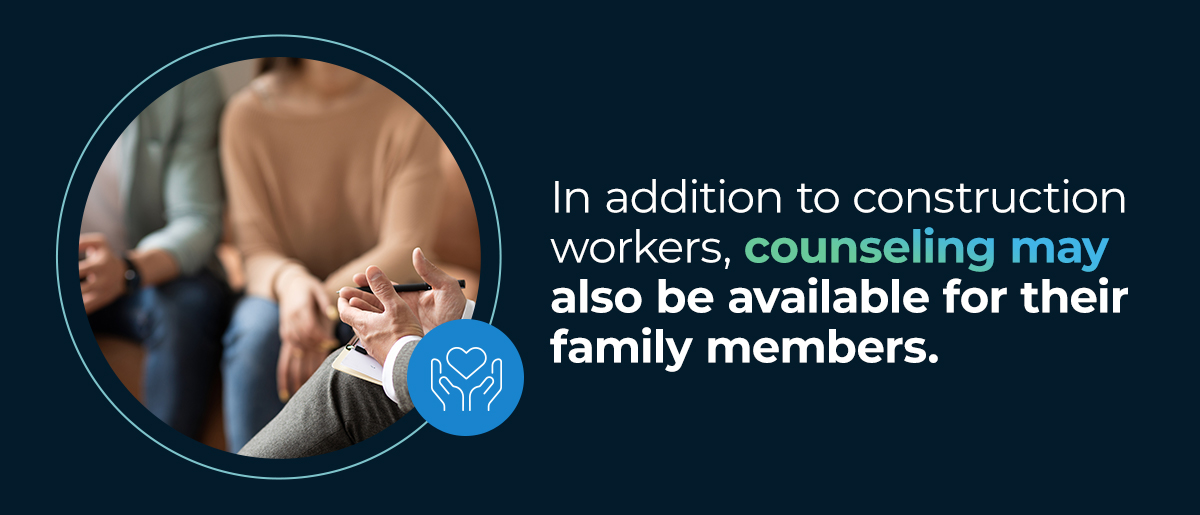
In addition to construction workers, counseling may also be available for their family members. Masters-level clinicians offer counseling support services on a short-term basis. Support can include help coping with anxiety, depression, addiction, and stress, which affect emotional well-being and work performance. Workers can usually book between three and six sessions, but can reach out for help 24/7 for trauma and crisis response.
Financial and Legal Referrals
Legal and financial issues affect workers’ mental health. Advice from an EAP can help distribute referrals for legal responsibilities, such as creating a will, processing a divorce, and organizing child custody arrangements. Financial coaching sessions from an EAP may include guidance on budgeting, saving for retirement, purchasing a home, or managing debt.
Medical Advocacy Referrals
Although an EAP can’t provide medical advice or treatment, it can offer guidance and support on a range of medical-related issues. For example, construction workers can receive assistance with securing doctor’s appointments, care planning, and obtaining medical equipment. An EAP can also advise construction workers on health insurance.
Helpful Resources
Factors such as child care, finding appropriate care for elderly relatives, and securing accommodation can contribute to mental and emotional stress. With the help of an EAP, construction workers can prepare and feel confident in locating the best resources to support them through difficult times.
Life Coaching
For construction workers navigating life transitions and work obstacles, an EAP can help them overcome challenges and achieve their goals. Workers will acquire the tools and resources to enhance their career growth plans, foster relationships, and overcome challenges such as imposter syndrome.
Introducing an EAP in Construction Businesses
Once you find the best EAP provider for your construction business, the next step is to introduce the service to your workers effectively. Low awareness and employee reluctance to use the EAP may lead to poor retention, worsening mental health, and a poor return on investment (ROI). Explore these tips on implementing an EAP and how to encourage construction workers to use it:
- Highlight confidentiality: Construction workers may have concerns about the confidentiality aspect of an EAP, and whether a clinician will share information with employers. During initial rollout conversations, advise workers on the importance of valuing their privacy. Inform them that all interactions with the EAP and themselves are entirely confidential.
- Promote mental health awareness: Working alongside your EAP provider and finding ways to initiate conversations about mental health openness will allow construction workers to feel at ease. Promotion may include webinars, creating newsletters, or recommending stress management techniques.
- Tie the EAP into communications: Depending on the tools and platforms used in your business, it is advisable to promote the EAP in all relevant communications. Particularly for new intakes or an organization undergoing restructuring, access to the EAP helps construction workers manage pressures during pivotal moments.
- Mention the EAP in absence meetings: When someone is off sick or unable to work due to reasons such as a bereavement, promoting the EAP is essential to offer the best support. Scenarios such as long-term sick leave or bereavement are vulnerable moments for construction workers. The EAP provides the necessary care and resources to help workers feel comfortable returning to work.
Implement an EAP for Construction Workers With AllOne Health
Our approach to the EAP at AllOne Health is innovative with a user-centered focus. With a considerate blend of care and digital convenience, construction workers can easily access counseling and other EAP services. The AllOne Health App allows workers to manage their own well-being guidance with self-scheduling for virtual sessions.
Users navigate the AI-powered “Izzy” to find resources. Workers can gain access to legal and financial referrals, as well as trauma and crisis response services. One call or click connects your workers to the care they require on a 24/7 and 365-day basis.
When people are supported, they perform at their best. Ready to explore how the AllOne Health EAP can help your construction workers? Request a proposal and quote today.